Process
How a project looks: from idea to launch
A common question: "How long will the project take?" The answer depends on scope - but the process is always the same. And that is our strength.
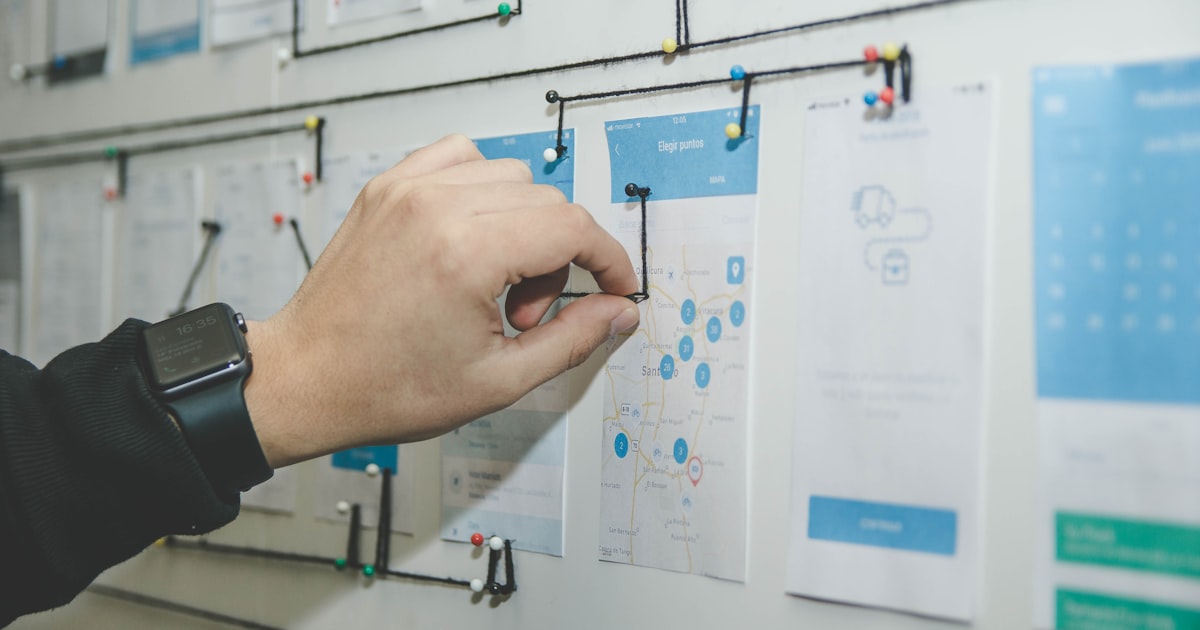
Understanding the web project process is essential before starting any website. A common question: “How long will the project take?” The answer depends on scope – but the process is always the same. And that is our strength: the client always knows what is happening and what comes next.
Step 1: Discovery
Everything starts with a conversation. We listen to what you want to achieve – not just what you want to have. Often a client says “I want a website,” but what they really need is more clients, a simpler workflow, or the ability to sell online. The best solutions come from understanding the business goal, not just the technical requirement.
Step 2: Plan and fixed price
After the discovery call we deliver a clear document: what will be built, when, and how much it costs. No “it might cost more.” A fixed price is our commitment.
Step 3: Building with continuous communication
We do not go quiet for a month. Every week there is a short update: what was done, what is next, any open questions. You communicate directly with the developer building your project.
Step 4: Testing and launch
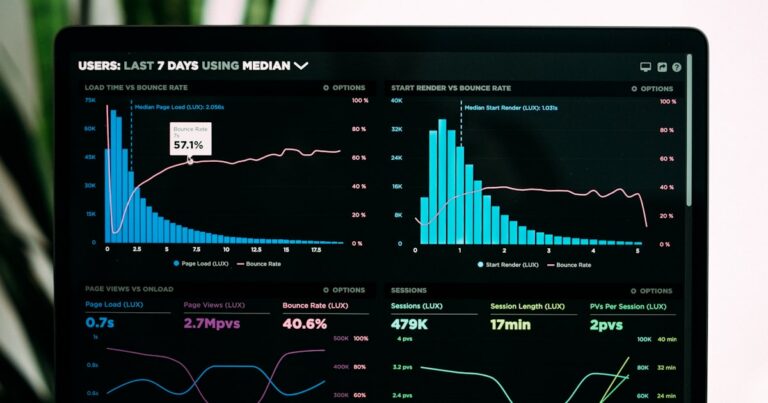
Before launch – thorough testing: speed, mobile devices, forms, integrations, browser compatibility. We follow industry best practices outlined by Google’s web.dev guidelines. Only then do we go live.
Step 5: Long-term support
Launch is not the end. We update systems, monitor performance, and respond to issues. You focus on your business – we handle the technical side.
Web project process: common mistakes to avoid
Even with a clear web project process, certain mistakes can derail your timeline and budget. Here are the most common pitfalls we see:
- Skipping the discovery phase – jumping straight to design without understanding business goals leads to costly revisions later. A proper web project process always starts with research and planning.
- Unclear feedback loops – when multiple stakeholders give conflicting feedback without a single decision-maker, projects stall. Establish clear approval workflows from the start.
- Ignoring mobile experience – designing for desktop first and treating mobile as an afterthought results in poor user experience for the majority of visitors.
- No content strategy – beautiful designs fall flat without compelling content. Plan your content alongside your design, not after.
What happens after launch
The web project process does not end at launch. A successful website requires ongoing maintenance, performance monitoring, and content updates. Understanding Core Web Vitals helps you keep your site performing well in search results.
Choosing the right platform from the start also reduces long-term maintenance costs. Read our comparison of WordPress vs Wix vs Webflow to understand which platform best fits your needs and budget.
Ready to start your project? Visit our pricing page for transparent cost breakdowns, or check our portfolio to see how we have helped other businesses build their online presence.
How long does a web project process take
Timeline depends on project complexity. A simple business website typically takes 4-6 weeks from kickoff to launch. An e-commerce store with custom integrations may require 8-12 weeks. Complex web applications with custom functionality can take 3-6 months.
The key to staying on schedule is maintaining momentum during the feedback and approval phases. We have seen projects where the development took two weeks, but client feedback cycles stretched it to three months. Setting clear deadlines for each phase of the web project process keeps everyone accountable.
Our structured approach ensures that every phase has clear deliverables and timelines. This transparency helps clients plan their marketing, content creation, and launch activities around realistic dates rather than optimistic guesses.
Your web project process starts here
A well-defined web project process is the foundation of every successful website. Whether you need a simple business site, an e-commerce store, or a custom web application, our structured approach ensures predictable timelines, transparent costs, and results that match your vision. Every great website starts with a conversation – reach out to discuss your project today.

Have a project idea?